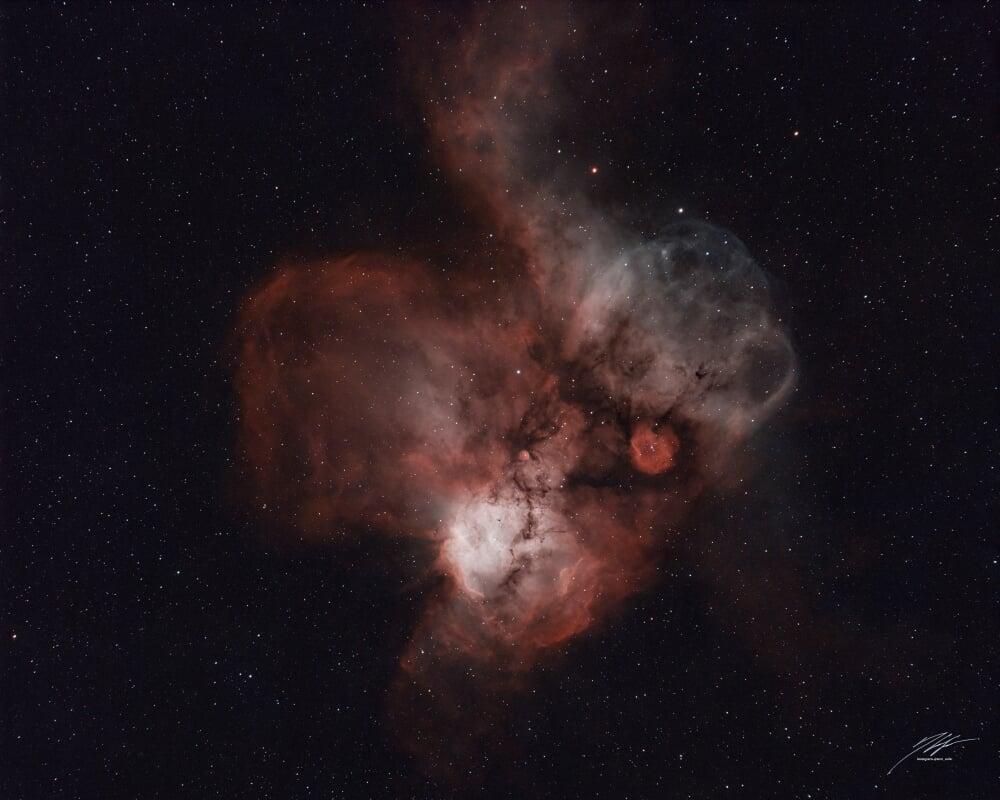
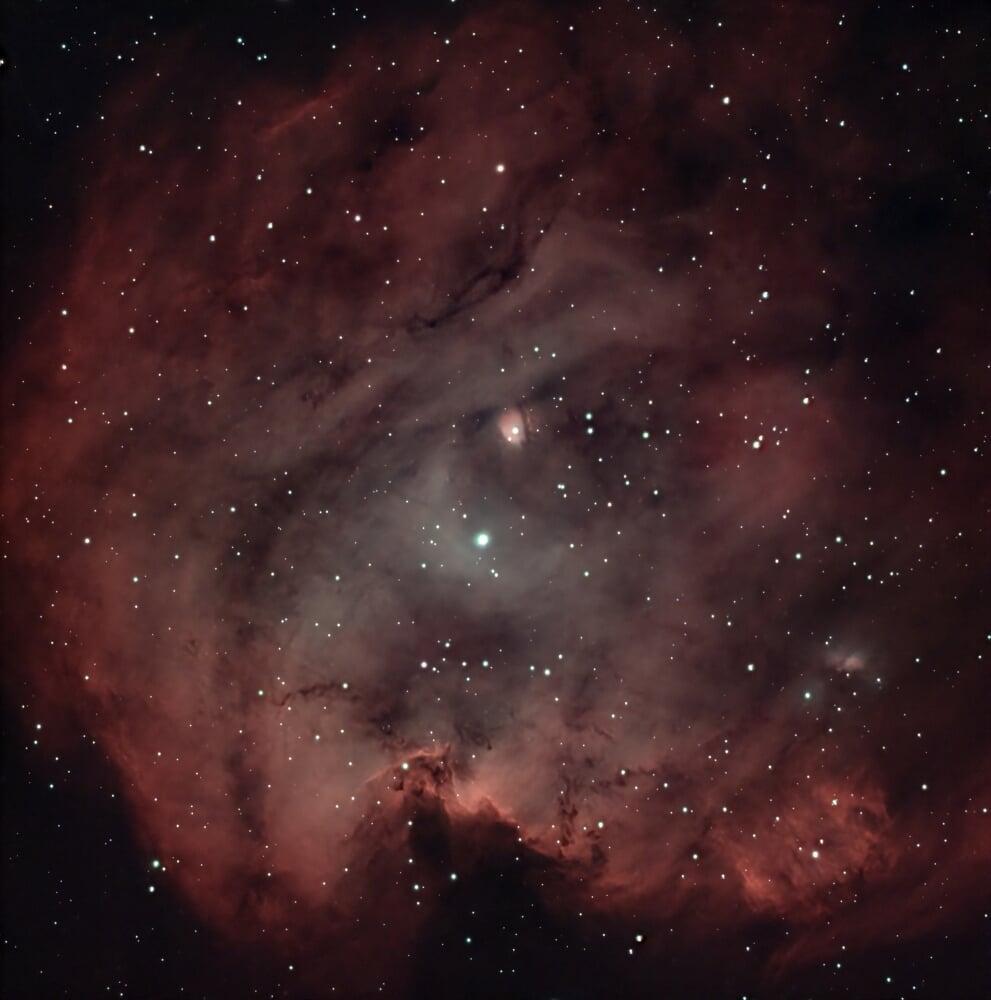
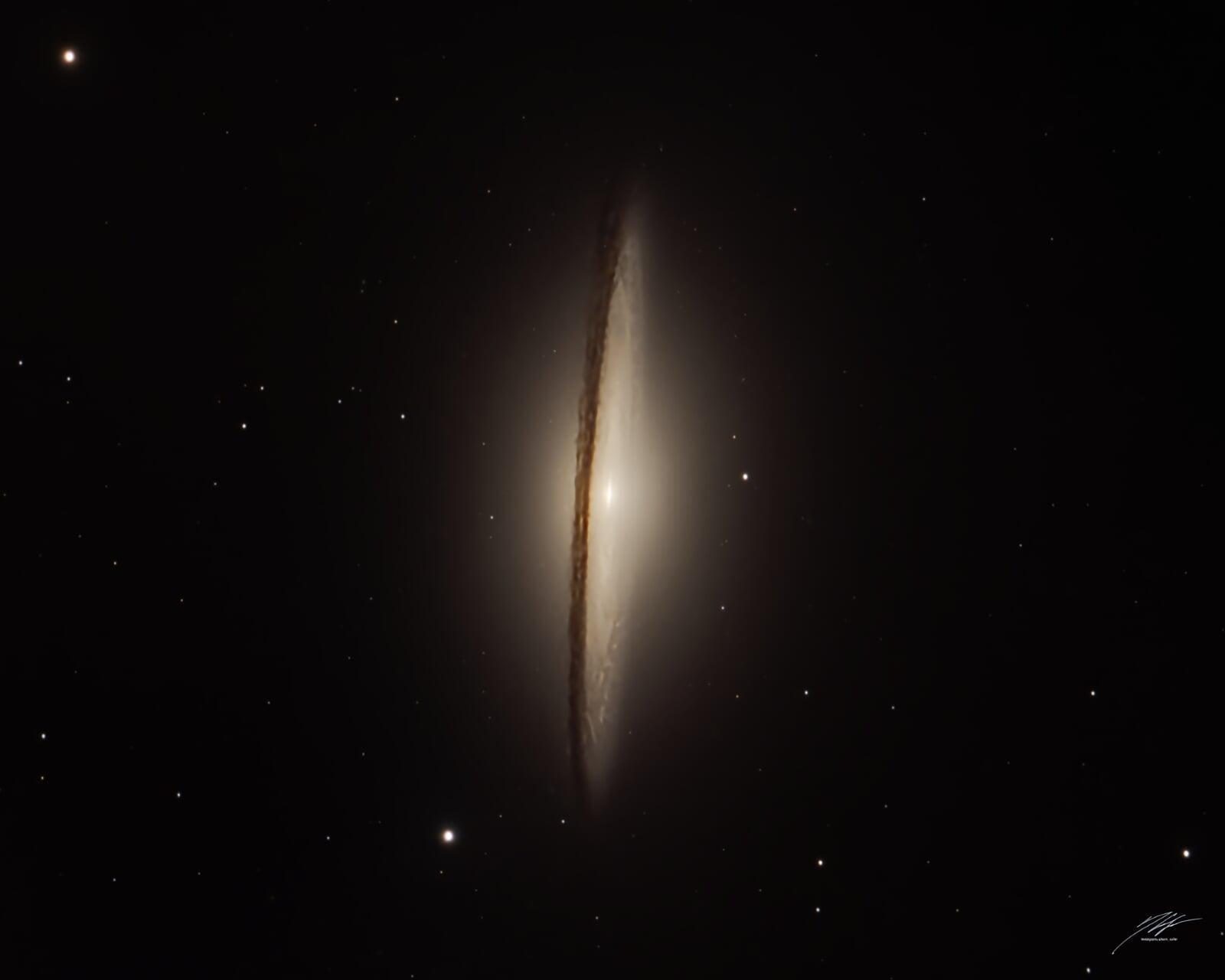
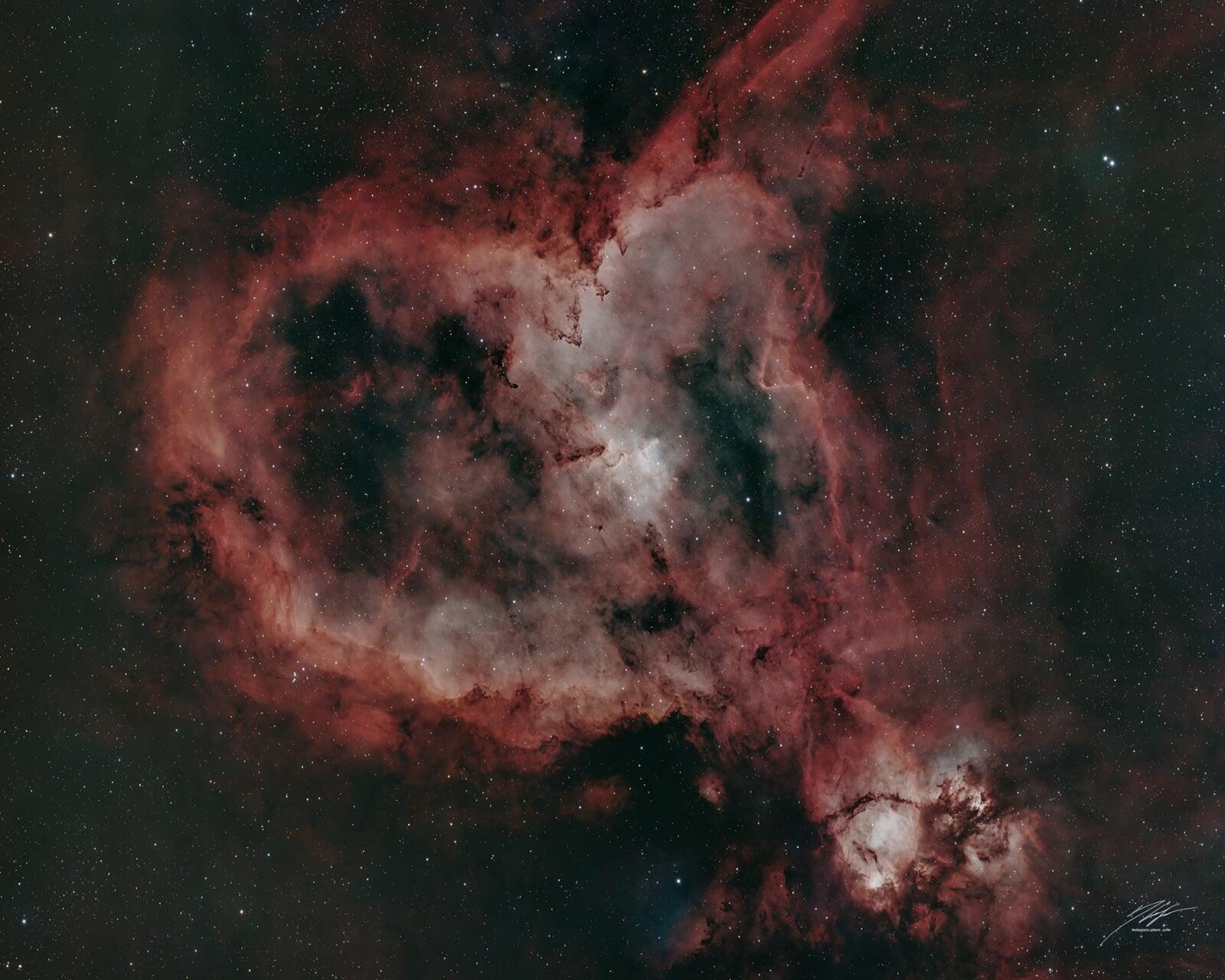
The NGC 2467, known as the Skull and Crossbones Nebula, is a star-forming region about 13,000 light-years away in Puppis. Despite its spooky name, it’s a stellar nursery where new stars are born. Captured over many hours from my Florida backyard, this image reveals details and colors invisible to the eye. What looks faint through a telescope comes alive through astrophotography.
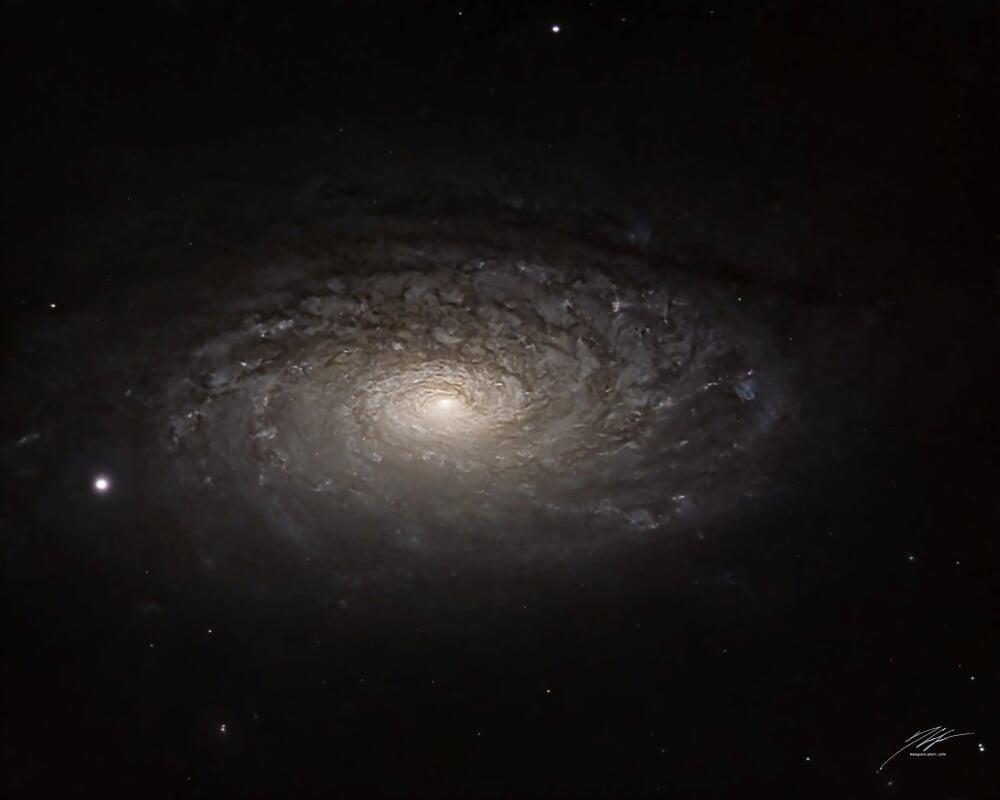
The Messier 63, known as the Sunflower Galaxy, is a spiral galaxy about 37 million light-years away in Canes Venatici. Its patchy, flocculent arms give it a textured, sunflower-like appearance. Captured over many hours from my Florida backyard, this image reveals structure and detail far beyond what the eye can see. It’s a glimpse of a distant galaxy quietly spinning in the vast cosmos.
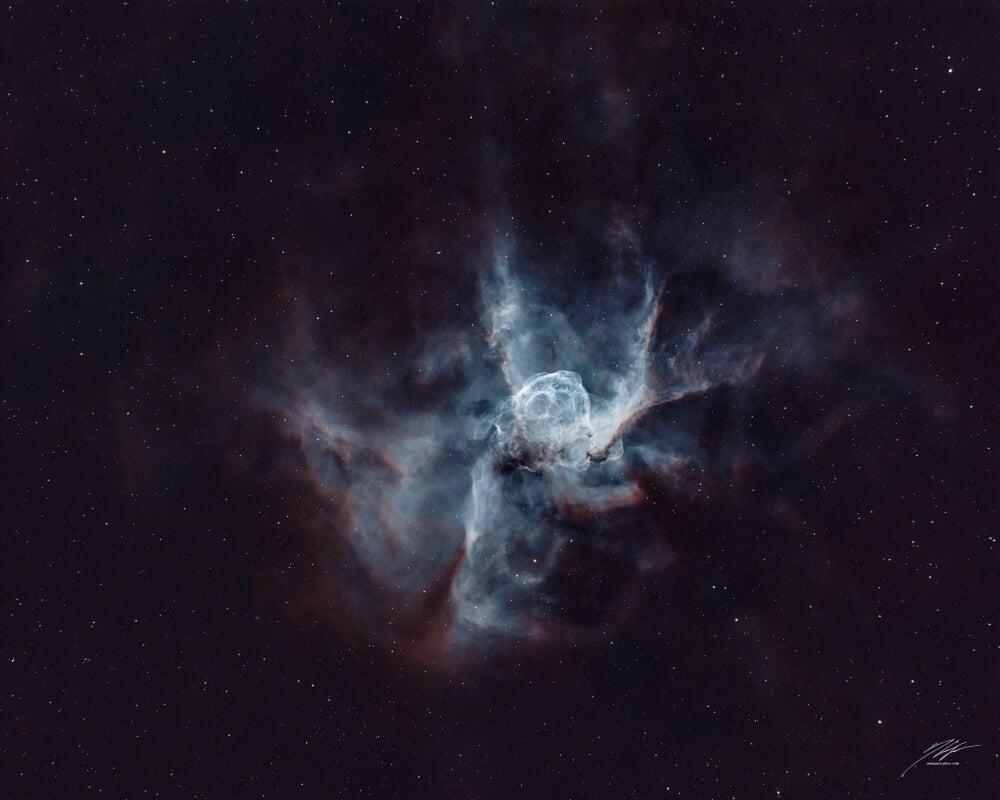
The NGC 2359, known as Thor’s Helmet, is an emission nebula about 12,000 light-years away in Canis Major. Shaped by powerful stellar winds from a massive Wolf-Rayet star, it creates the appearance of a cosmic helmet. Captured over many hours from my Florida backyard, this image reveals glowing gas and intricate detail invisible to the eye. It’s a striking example of the energy and beauty of stellar evolution.
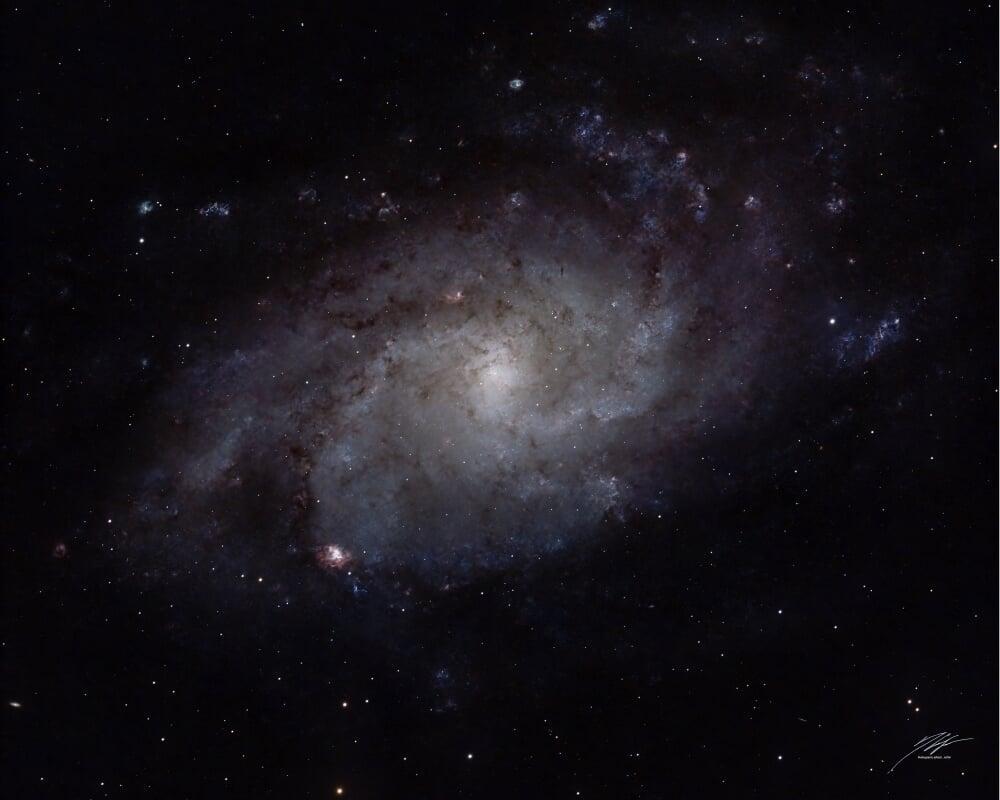
The Messier 33, known as the Triangulum Galaxy, is a spiral galaxy about 2.7 million light-years away in the constellation Triangulum. As one of our closest galactic neighbors, it reveals vast regions of star formation and glowing hydrogen clouds. Captured over many hours from my Florida backyard, this image brings out detail far beyond what the eye can see. It’s a glimpse into a galaxy quietly evolving across the cosmos.
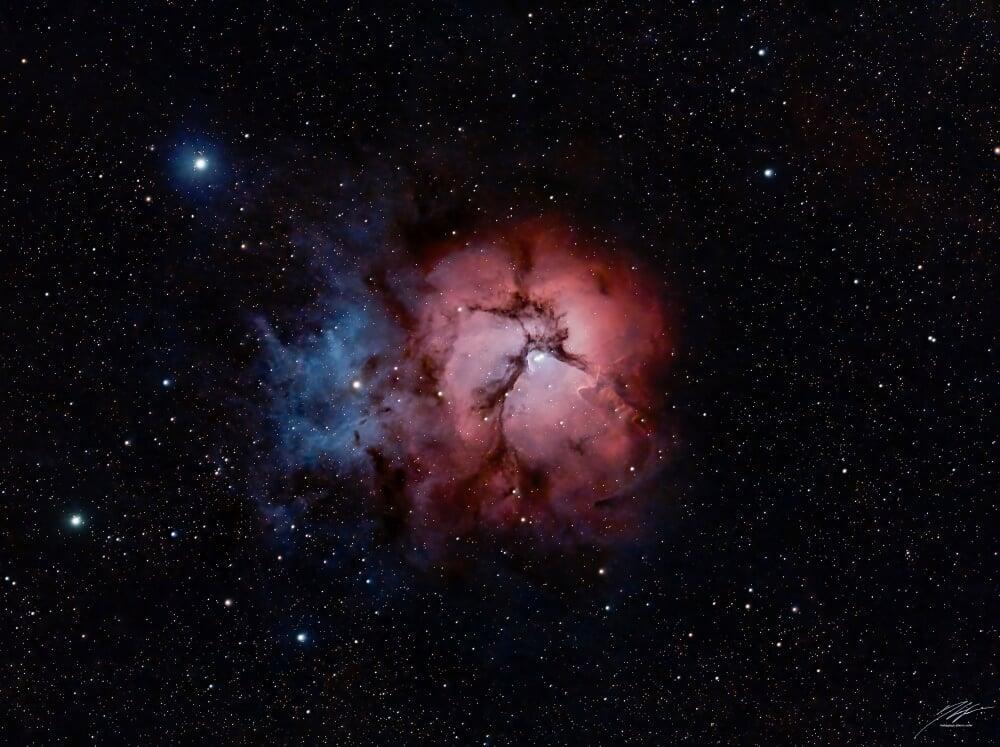
The Messier 20, known as the Trifid Nebula, is a striking star-forming region about 5,200 light-years away in Sagittarius. Its name comes from the dark dust lanes that divide it into three sections, alongside glowing red emission and blue reflection nebula. Captured over many hours from my Florida backyard, this image reveals vivid detail beyond what the eye can see. It’s a beautiful mix of light, dust, and new stars in the making.
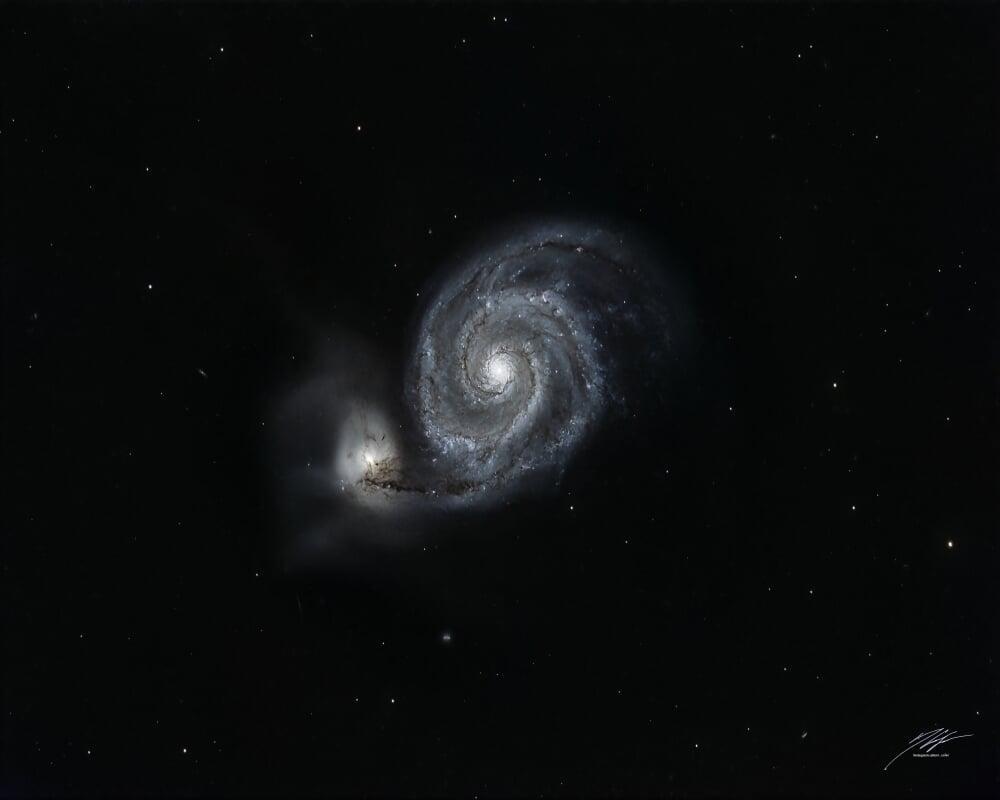
The Messier 51, known as the Whirlpool Galaxy, is a spiral galaxy about 23 million light-years away in Canes Venatici. Its graceful arms are shaped by a close interaction with a neighboring galaxy, creating a striking cosmic swirl. Captured over many hours from my Florida backyard, this image reveals detail far beyond what the eye can see. It’s a dramatic example of galaxies interacting across the vastness of space.
The Messier 81, known as Bode’s Galaxy, is a spiral galaxy about 12 million light-years away in Ursa Major. Its bright core and well-defined arms make it one of the most striking galaxies in our sky. Captured over many hours from my Florida backyard, this image reveals detail far beyond what the eye can see. It’s a stunning example of a galaxy shining across the depths of space.
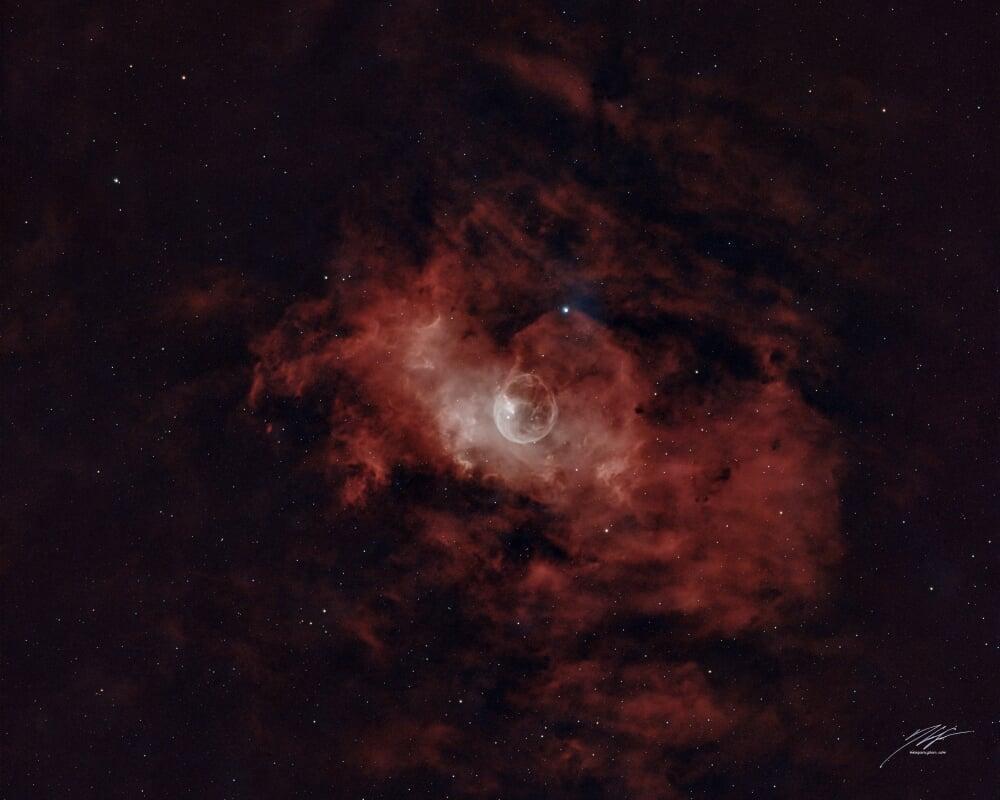
The NGC 7635, known as the Bubble Nebula, is a glowing cloud of gas about 7,100 light-years away in Cassiopeia. The “bubble” is formed by powerful stellar winds from a massive star pushing into the surrounding gas. Captured over many hours from my Florida backyard, this image reveals delicate structure and color beyond what the eye can see. It’s a striking example of the dynamic forces shaping our universe.
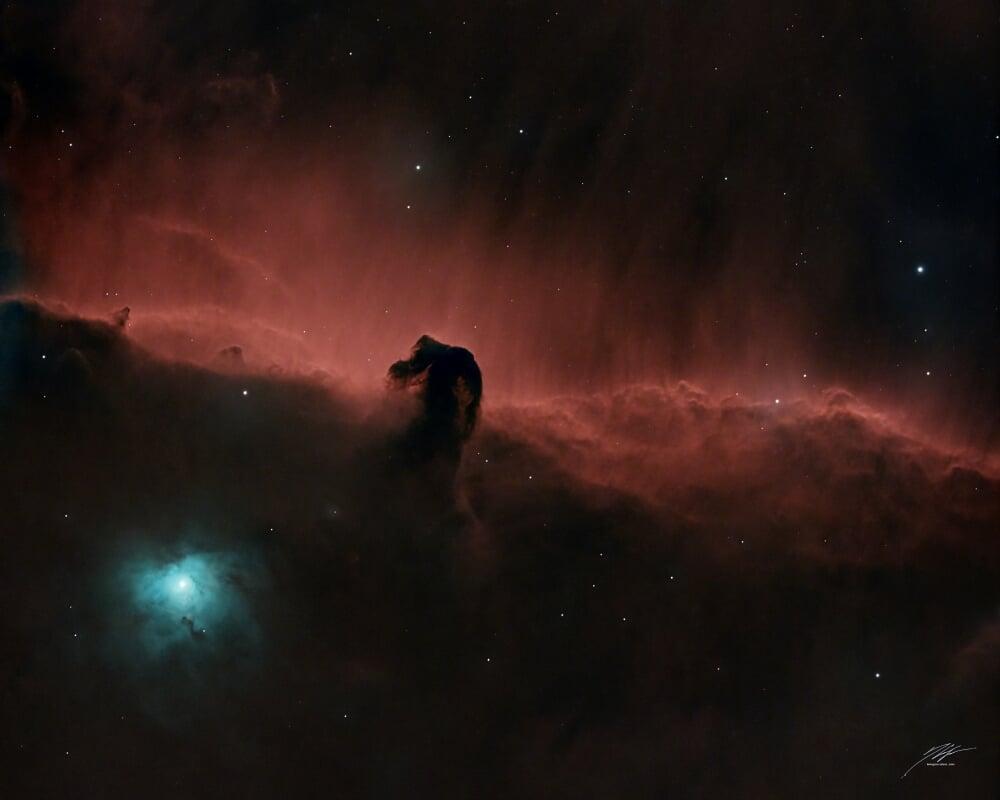
The IC 434, home to the famous Horsehead Nebula, is a dark nebula silhouetted against glowing hydrogen gas about 1,500 light-years away in Orion. The horse-shaped cloud is formed by dense dust blocking the light behind it. Captured over many hours from my Florida backyard, this image reveals detail far beyond what the eye can see. It’s one of the most recognizable shapes in the night sky.
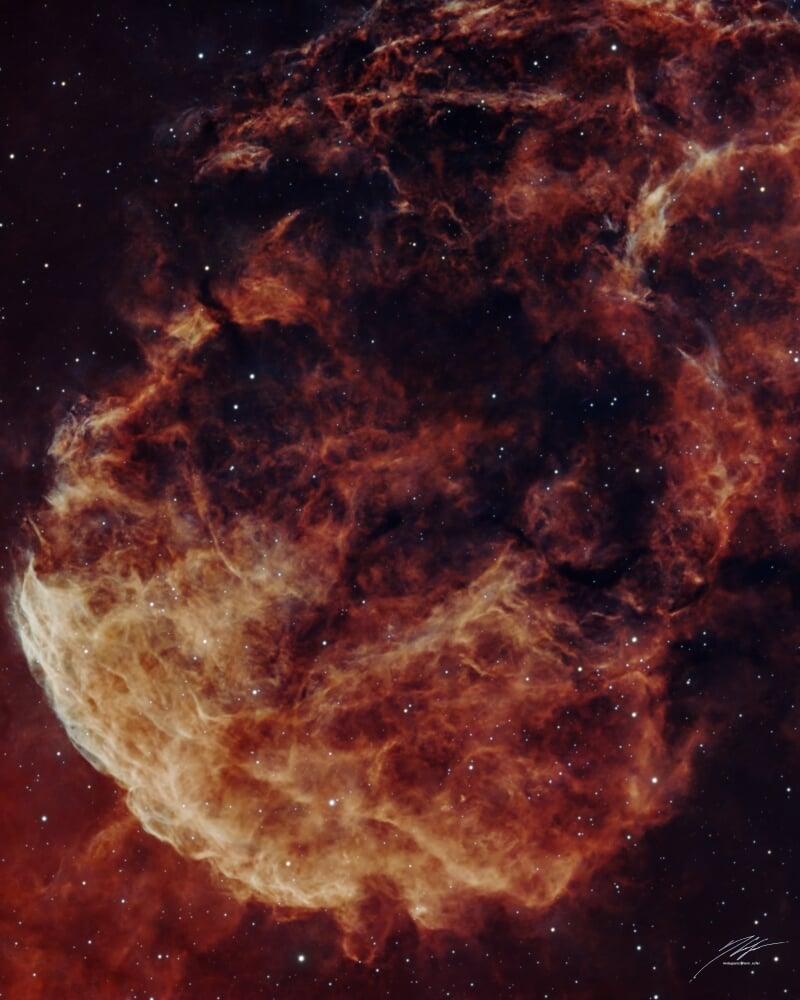
The IC 443, known as the Jellyfish Nebula, is a supernova remnant about 5,000 light-years away in Gemini. It was formed when a massive star exploded, sending shockwaves through surrounding gas and dust. Captured over many hours from my Florida backyard, this image reveals delicate filaments and structure beyond what the eye can see. It’s a stunning reminder of how stars end their lives—and shape what comes next.
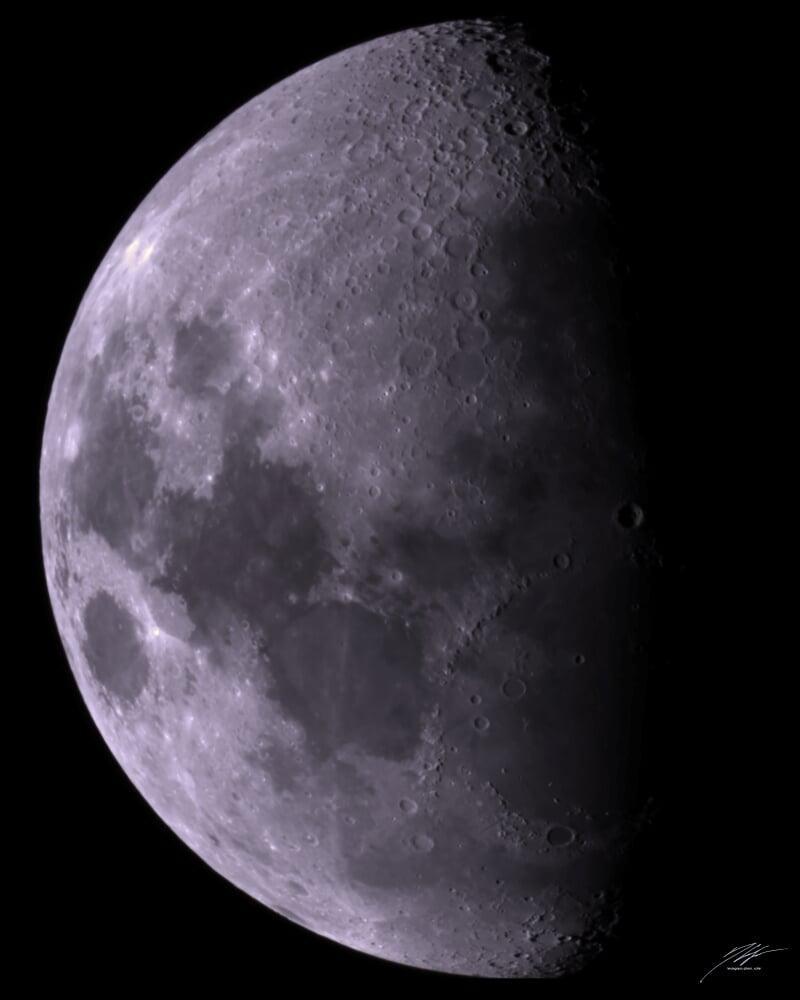
The Moon, our closest neighbor in space, sits about 238,000 miles from Earth and is rich with craters, mountains, and ancient lava plains. This image was captured from my Florida backyard, combining multiple frames to reveal sharp detail across its rugged surface. Features like craters formed by impacts billions of years ago are still clearly visible today. It’s a reminder that even something so familiar holds incredible detail when you take a closer look.
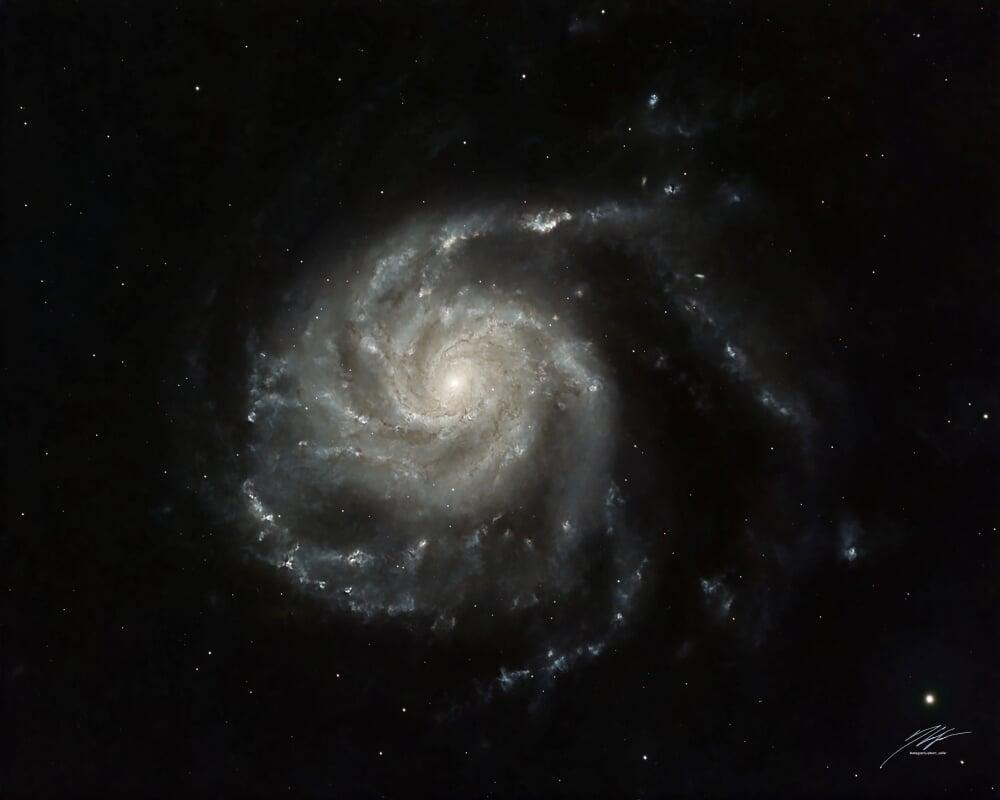
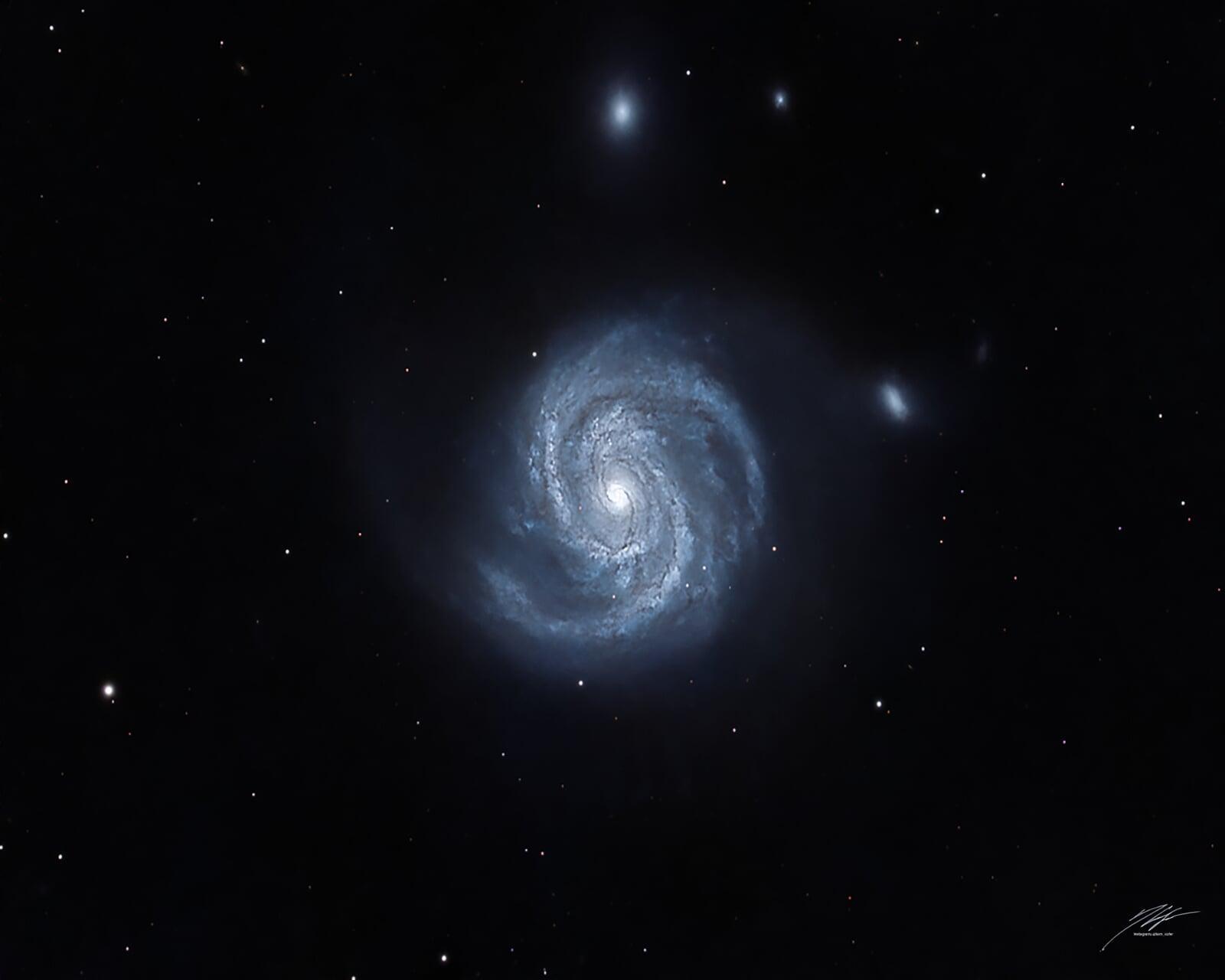
The Messier 101, known as the Pinwheel Galaxy, is a face-on spiral galaxy about 21 million light-years away in Ursa Major. Its wide, delicate arms are filled with regions of active star formation and glowing hydrogen gas. Captured over many hours from my Florida backyard, this image reveals structure and detail far beyond what the eye can see. It’s a beautiful example of a galaxy seen almost perfectly from above.
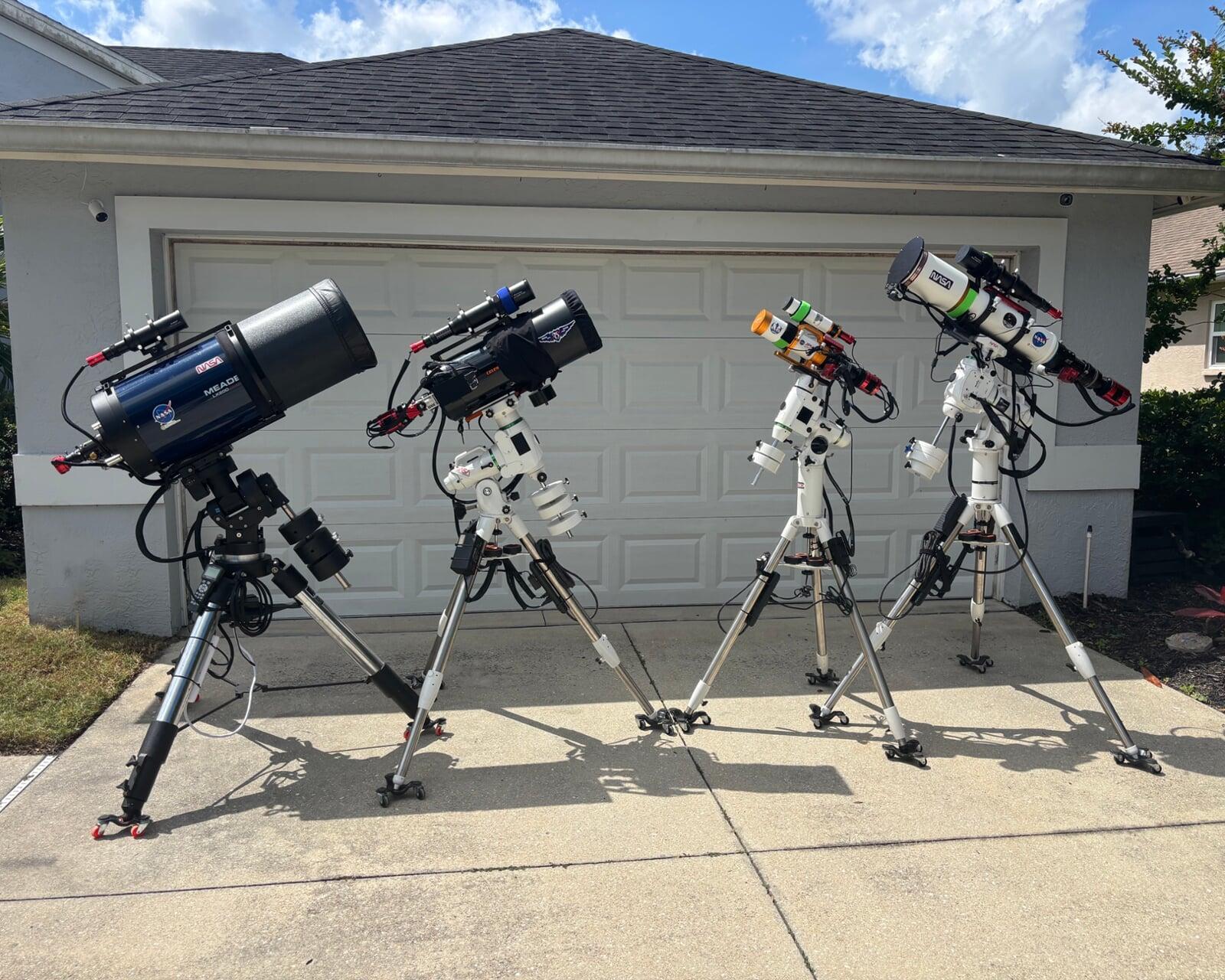
This image features two of the telescopes used to capture the night sky images on this site: the Astro-Tech AT115EDT and the Celestron C8. Each telescope is designed for a different view of the universe, from wide-field nebulae to distant galaxies. Set up in my Florida driveway, they quietly collect light from objects thousands to millions of light-years away. It’s a behind-the-scenes look at the tools that turn faint points of light into detailed images.
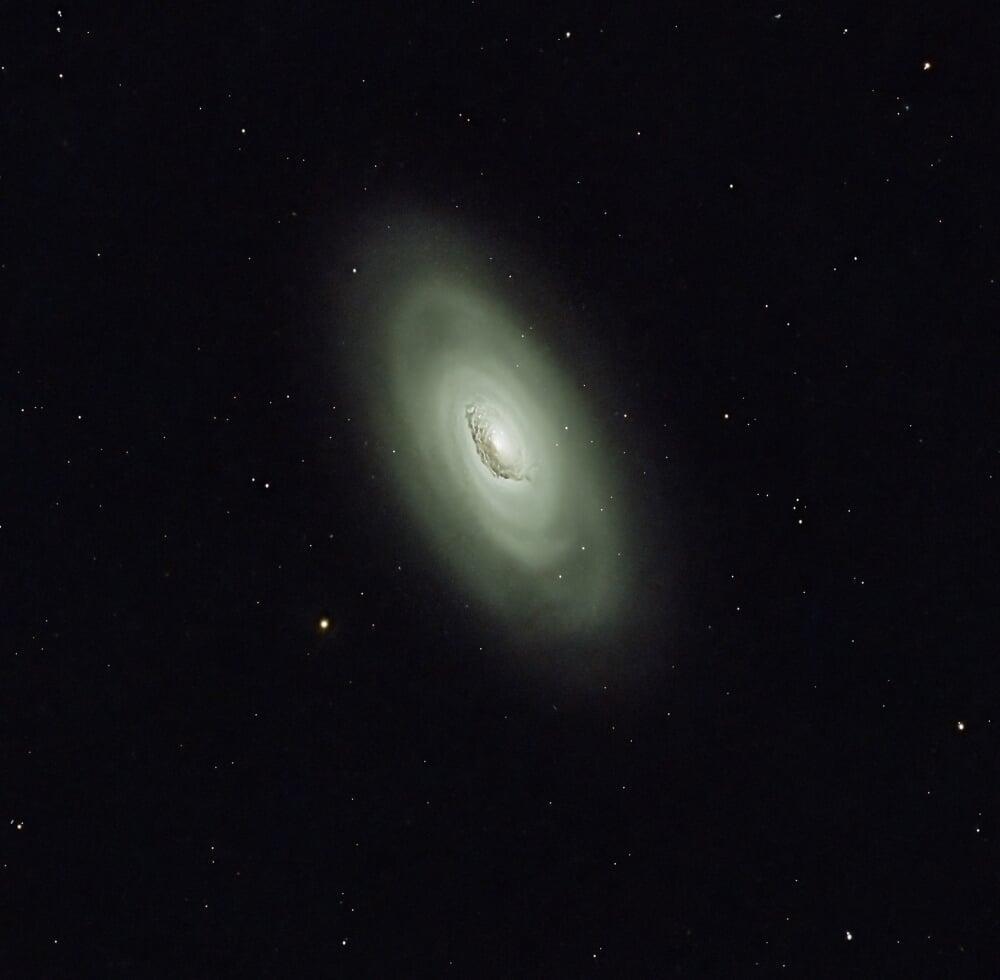
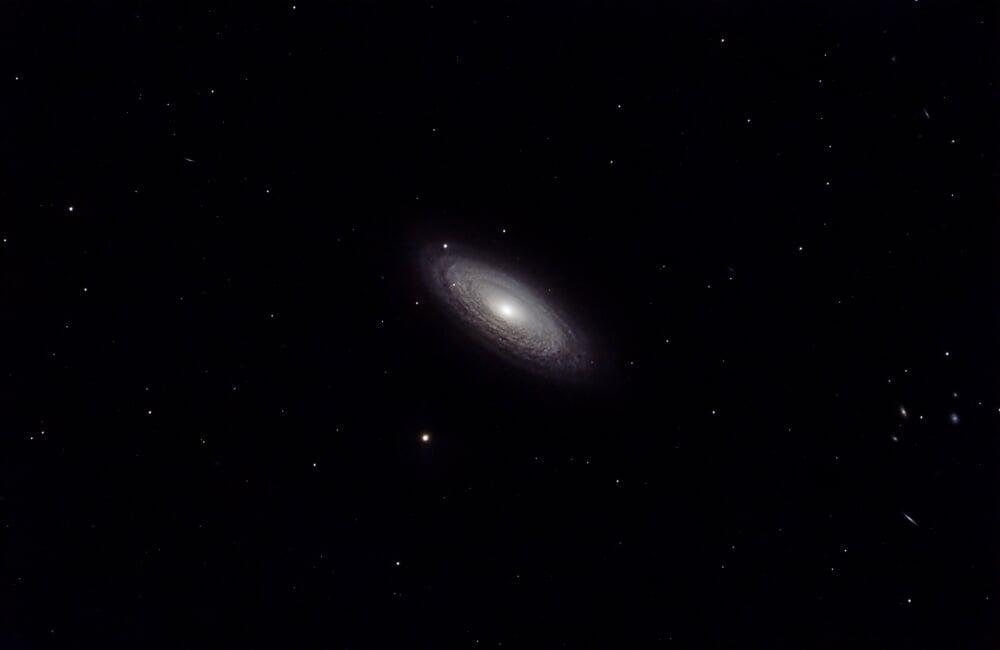
The Messier 64, known as the Black Eye Galaxy, is a spiral galaxy about 17 million light-years away in Coma Berenices. It gets its name from the dark band of dust surrounding its bright core, giving it a “black eye” appearance. Captured over many hours from my Florida backyard, this image reveals detail far beyond what the eye can see. It’s a striking example of how dust and light shape the look of distant galaxies.
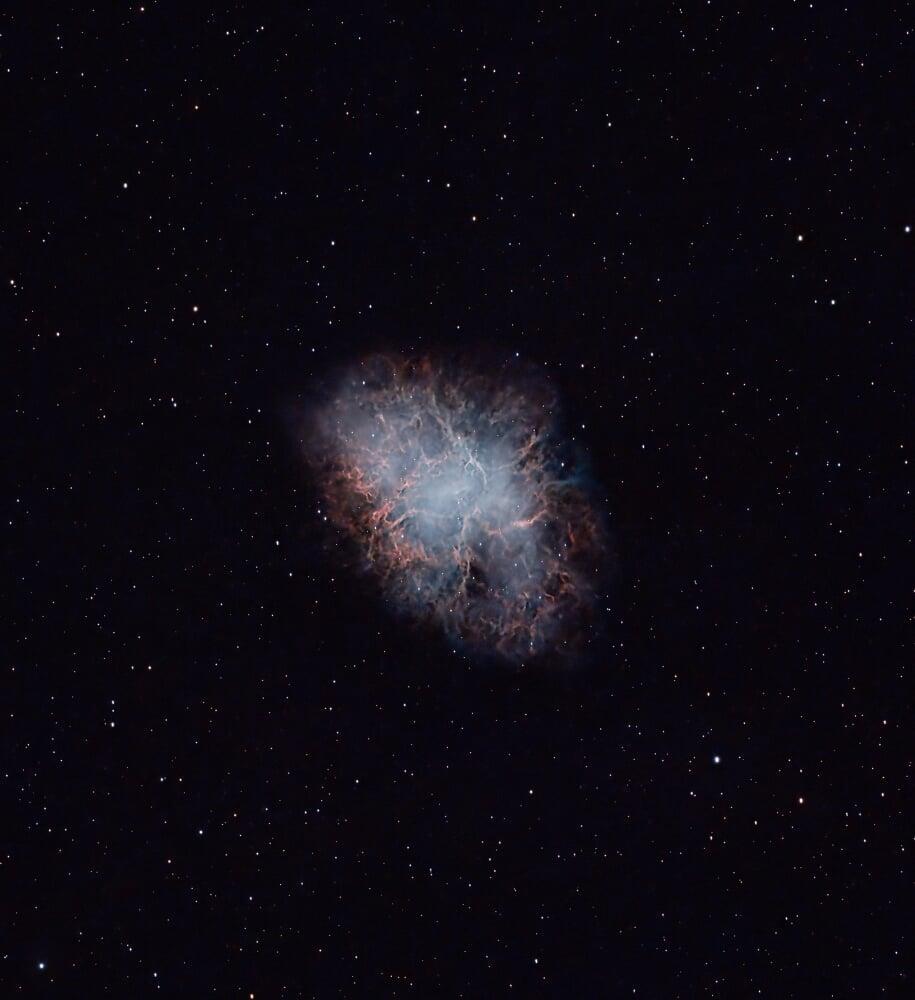
The Messier 1, known as the Crab Nebula, is a supernova remnant about 6,500 light-years away in Taurus. It was created by a stellar explosion observed on Earth in 1054 AD. At its center lies a rapidly spinning neutron star powering the glowing filaments. Captured over many hours from my Florida backyard, this image reveals detail far beyond what the eye can see. It’s a snapshot of a star’s dramatic end—and ongoing energy.
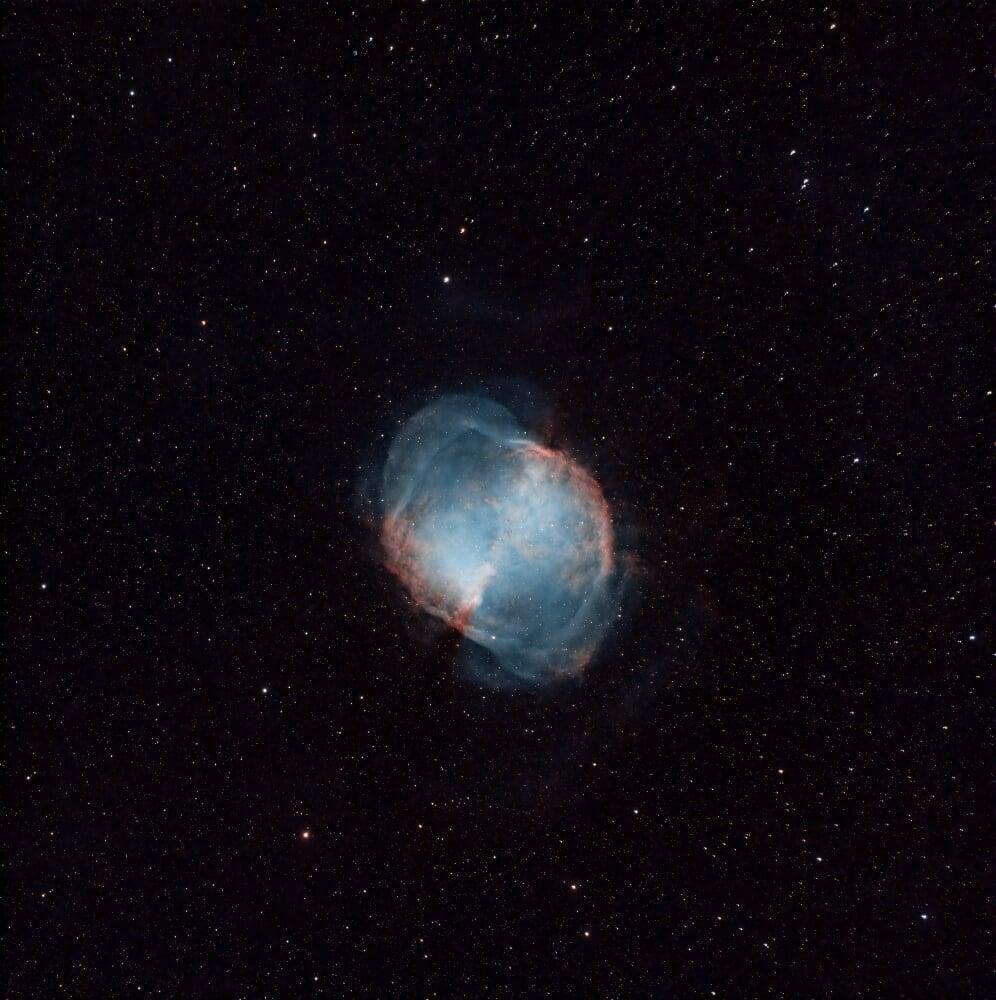
The Messier 27, known as the Dumbbell Nebula, is a planetary nebula about 1,300 light-years away in Vulpecula. It formed when a dying star shed its outer layers, creating the glowing, hourglass-shaped cloud we see today. Captured over many hours from my Florida backyard, this image reveals color and structure far beyond what the eye can see. It’s a beautiful glimpse into the future of stars like our Sun.
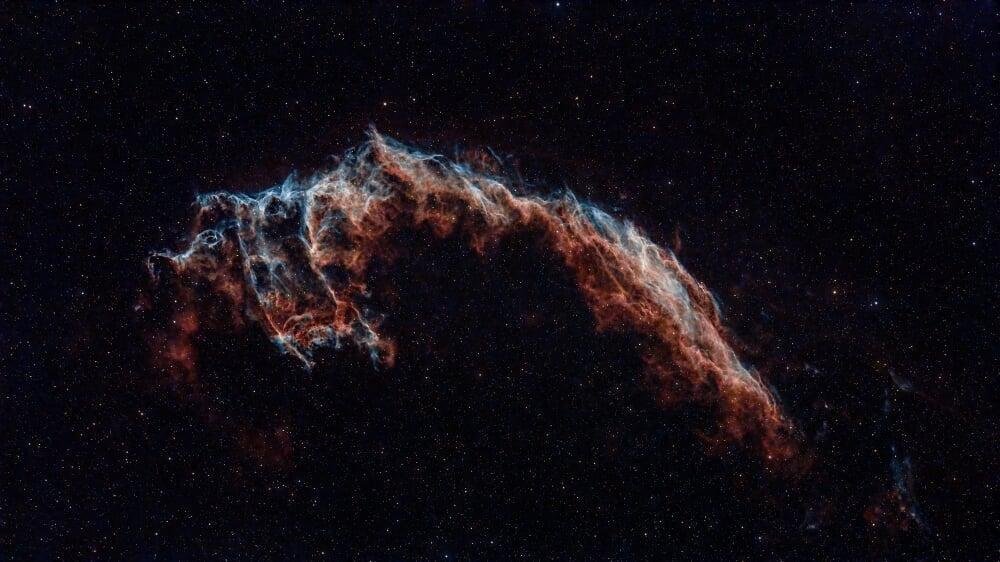
The NGC 6992, part of the Veil Nebula, is a supernova remnant about 2,400 light-years away in Cygnus. It formed from the explosion of a massive star, leaving behind delicate, glowing filaments of gas. Captured over many hours from my Florida backyard, this image reveals intricate detail far beyond what the eye can see. It’s a stunning example of the aftermath of a stellar explosion.
Caption
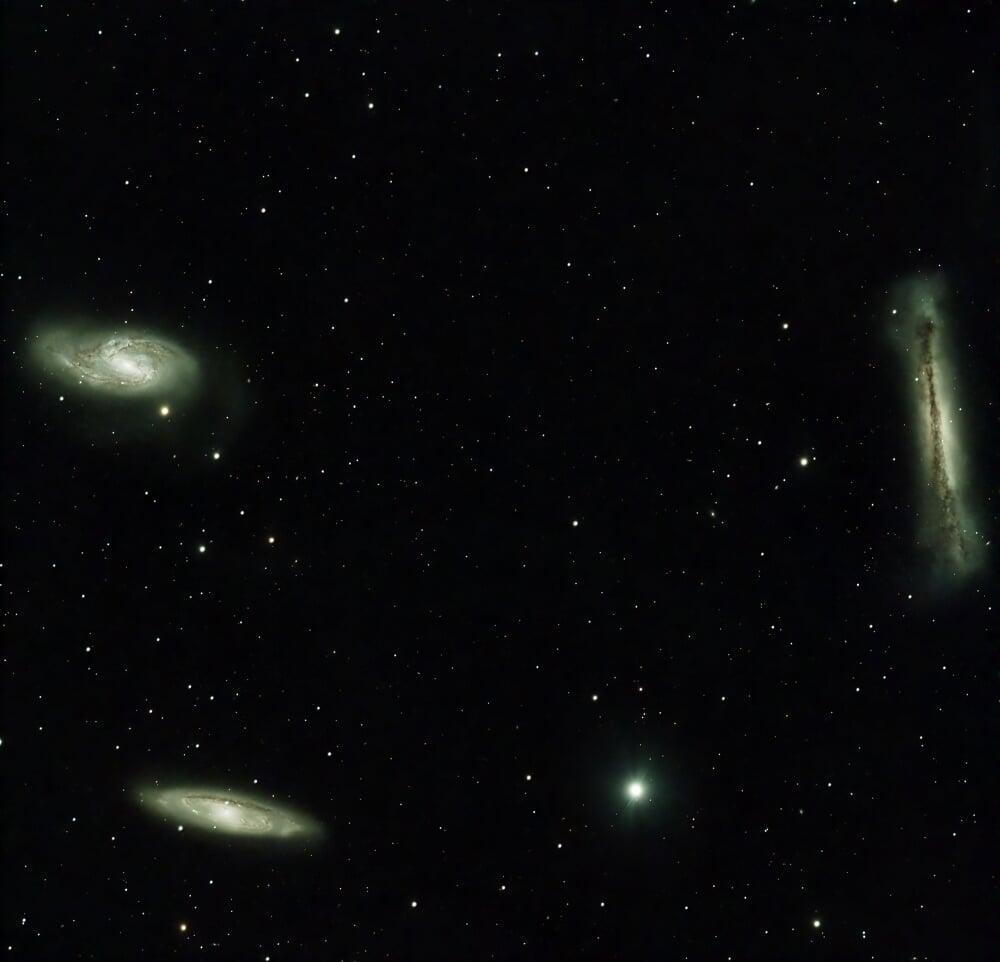
The Messier 66, part of the Leo Triplet, is a spiral galaxy about 35 million light-years away in Leo. Along with neighboring galaxies M65 and NGC 3628, it forms a striking group shaped by gravitational interaction. Captured over many hours from my Florida backyard, this image reveals structure and detail far beyond what the eye can see. It’s a fascinating look at galaxies influencing one another across space.
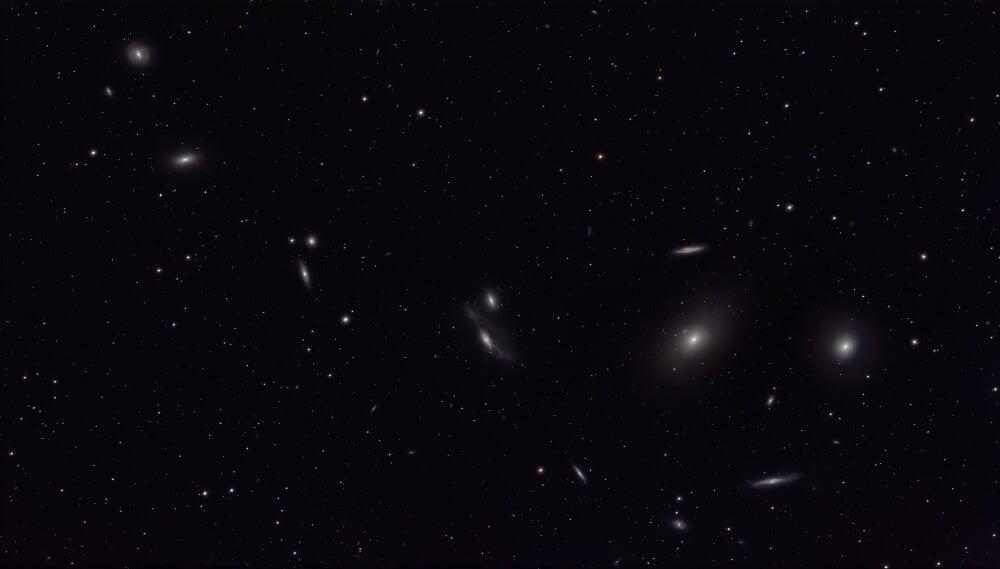
Markarian's Chain is a stunning stretch of galaxies within the Virgo Cluster, about 55 million light-years away. This curved line includes several interacting galaxies, creating a dense and dynamic region of deep space. Captured over many hours from my Florida backyard, this image reveals dozens of distant galaxies scattered across the field. It’s a humbling reminder of just how vast—and crowded—the universe can be.
The NGC 2174, known as the Monkey Head Nebula, is a star-forming region about 6,400 light-years away in Orion. Its shape, outlined by glowing hydrogen gas and dark dust, gives it a playful, monkey-like appearance. Captured over many hours from my Florida backyard, this image reveals detail and color far beyond what the eye can see. It’s a fun and fascinating look at a stellar nursery in action.
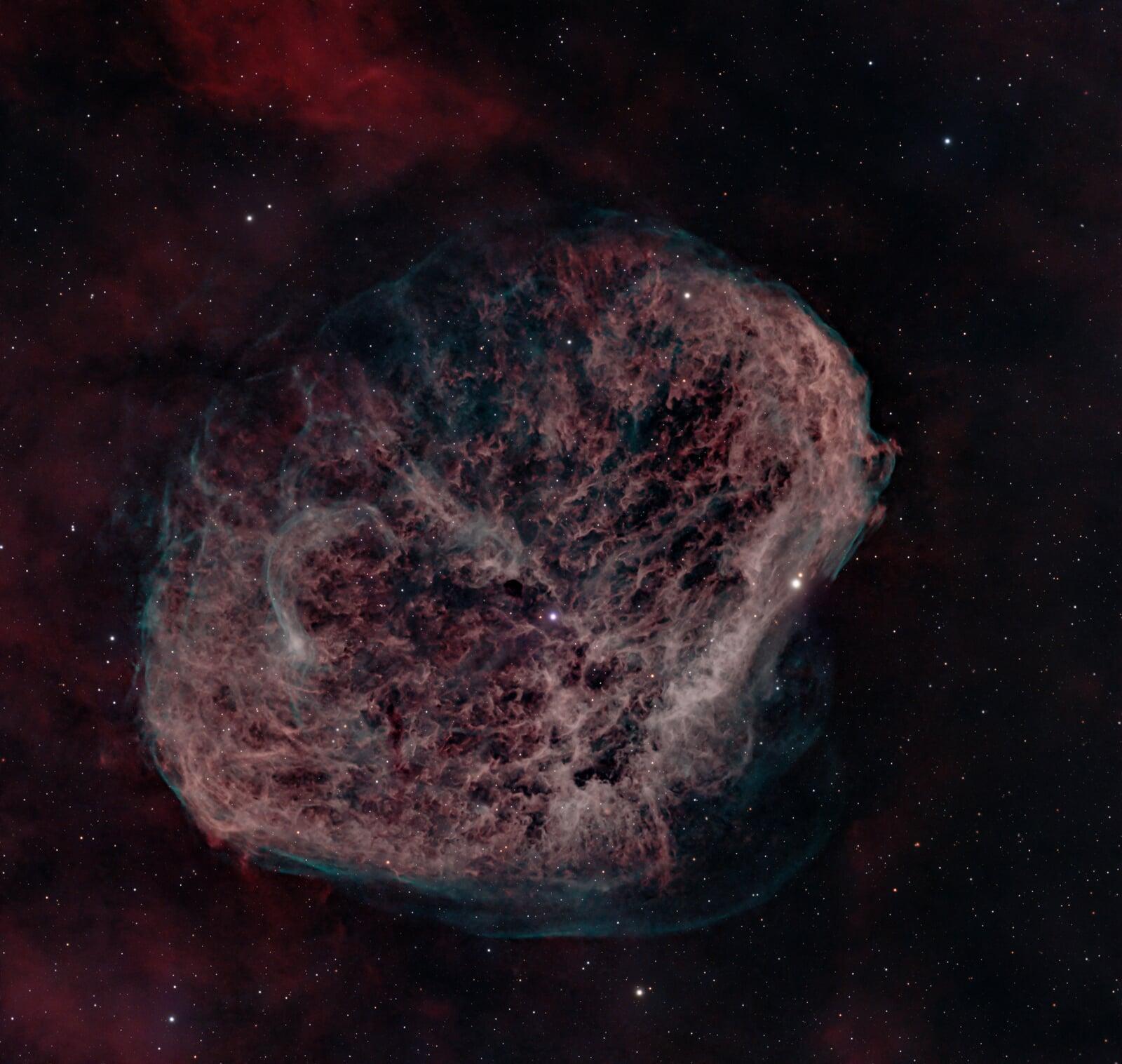
The NGC 6888, known as the Crescent Nebula, is an emission nebula about 5,000 light-years away in Cygnus. It’s formed by powerful stellar winds from a massive Wolf-Rayet star colliding with surrounding gas. Captured over many hours from my Florida backyard, this image reveals delicate filaments and structure beyond what the eye can see. It’s a vivid example of how massive stars shape their environment.
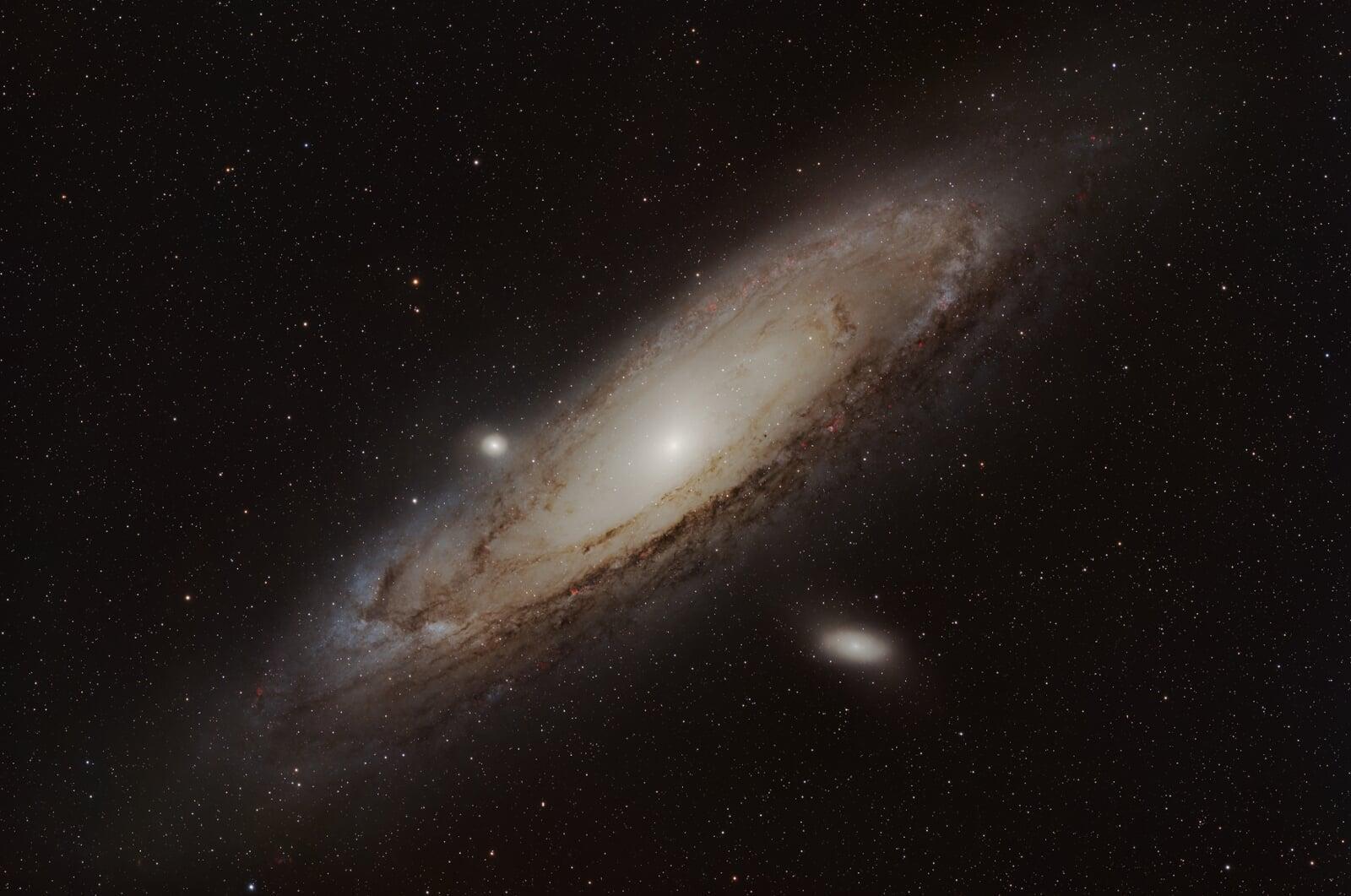
The Messier 31, known as the Andromeda Galaxy, is our nearest large galactic neighbor at about 2.5 million light-years away. It’s so vast that its light spans a wide area of the night sky, even visible to the naked eye under dark conditions. Captured over many hours from my Florida backyard, this image reveals dust lanes and structure far beyond what the eye can see. It’s a glimpse of a galaxy that will one day merge with our own.
Have fun exploring
Visit my Etsy shop if you are interested in purchasing printed pictures.